Understanding Nitrogen Deficiency: Why Your Plants May Be Turning Yellow
Nitrogen is one of the most important nutrients for healthy plant growth. Whether you're growing vegetables on an allotment, want a usable lawn, or maintaining grazing, nitrogen plays a vital role in producing strong, green, healthy growth.
Nitrogen is one of the most important nutrients for healthy plant growth. Whether you're growing vegetables on an allotment, want a usable lawn, or maintaining grazing, nitrogen plays a vital role in producing strong, green, healthy growth.
Nitrogen is constantly moving through the soil and can be easily washed away by rain, making it one the most common nutrient deficiencies encountered by gardeners and growers.
Why Do Plants Need Nitrogen?
Nitrogen is a key component of chlorophyll, the green pigment that allows plants to capture sunlight and convert it into energy through photosynthesis. It is also essential for producing proteins, enzymes, and healthy leaf growth.
When nitrogen levels are adequate, plants produce vigorous leafy growth and maintain a healthy green colour. When supplies become limited, plants begin to struggle.
What Does Nitrogen Deficiency Look Like?
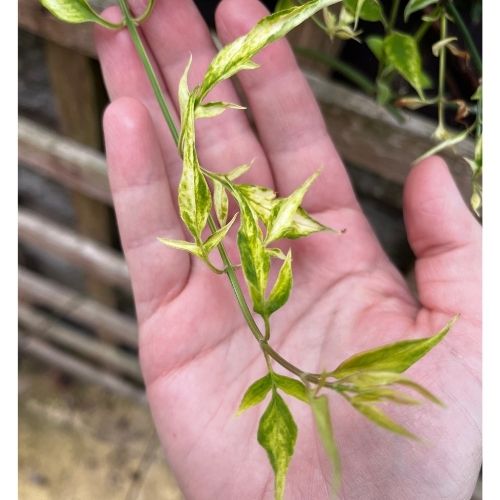
One of the first signs of nitrogen deficiency is yellowing leaves.
Because nitrogen is mobile within the plant, it can be moved from older leaves to support new growth. As a result, symptoms usually appear first on the lower, older leaves before progressing upwards.
Common symptoms include:
- Pale green or yellow leaves, particularly on older growth
- Uniform yellowing rather than patchy discolouration
- Slow or stunted growth
- Thin, weak, or spindly stems
- Reduced produce from your vegetable patch
- Smaller leaves than normal
In severe cases, plants may stop growing altogether and eventually die if the deficiency is not corrected.
Nitrogen Deficiency in Lawns and Grazing Land
Nitrogen isn't only important for vegetables and flowers. Grass also requires adequate nitrogen to remain healthy and productive.
In lawns, low nitrogen levels often result in:
- Pale green or yellow turf
- Slower growth
- Thin patches
- Increased weed invasion
- Reduced resistance to disease
For smallholders managing grazing land, nitrogen deficiency can reduce pasture productivity and forage quality, limiting the amount of feed available for livestock throughout the growing season.
What Causes Nitrogen Deficiency?
There are several reasons why soil can become low in available nitrogen.
Heavy Rainfall
Nitrogen is highly soluble and can be easily leached through the soil profile during periods of prolonged rain or overwatering. This is particularly common during wet springs and winters.
High Carbon Materials
Fresh wood chips, bark, sawdust, and other high-carbon materials can temporarily lock up nitrogen while soil microorganisms break them down. During this process, less nitrogen is available to plants.
Compacted Soils
Compaction restricts root development and reduces the ability of plants to access nutrients. Even if nitrogen is present in the soil, roots may struggle to absorb it effectively.
Waterlogged or Cold Soils
Cold and saturated soils slow down biological activity and root function, reducing nutrient uptake and increasing the risk of deficiency symptoms.
Intensive Growing
Vegetables such as brassicas, sweetcorn, courgettes, pumpkins, and leafy salads are heavy nitrogen feeders. Repeated cropping without replenishing nutrients can gradually deplete soil reserves.
How to Improve Nitrogen Levels
The best solution depends on how quickly your plants need help and your long-term soil management goals.
Quick Fixes
If plants are showing clear deficiency symptoms and require immediate support, a nitrogen-rich liquid feed can provide nutrients that are quickly available for uptake.
Results can often be seen within a week as new growth begins to regain a healthy green colour.
Organic Soil Building
For longer-term soil health, organic amendments are often the most sustainable approach.
Options include:
- Well-rotted farmyard manure
- Homemade garden compost
- Different types of ‘meals’
- Green manures and cover crops
These materials gradually release nutrients while improving soil structure, water retention, and biological activity.
Improve Soil Conditions
Sometimes the issue isn't the amount of nitrogen in the soil but the plant's ability to access it.
Consider:
- Aerating compacted ground
- Improving drainage in waterlogged areas
- Avoiding overwatering
- Adding organic matter to improve soil structure
Healthy soil biology plays a key role in making nutrients available to plants.
Prevention is Better Than Cure
Rather than waiting for symptoms to appear, focus on building healthy, biologically active soil throughout the year.
Regular additions of organic matter, sensible crop rotations, green manures, and avoiding unnecessary soil disturbance all help maintain a steady supply of nitrogen and other essential nutrients.
For smallholders, careful grazing management and returning organic matter to the land can also help support long-term soil fertility.
The Importance of Knowing What's Happening Below Ground
Yellow leaves don't always mean nitrogen deficiency. Similar symptoms can sometimes be caused by poor drainage, root damage, pest problems, or deficiencies in other nutrients.
Understanding the condition of your soil helps you make informed decisions and avoid adding nutrients that may not be needed. A soil test would provide vital information on whether your soil is showing a nitrogen deficiency and rather than relying on guesswork it allows growers to make informed decisions about fertilisers, compost, manures, and other soil amendments.
By understanding how nitrogen behaves in the soil and recognising the early warning signs of deficiency, gardeners, allotment holders, and smallholders can take practical steps to support healthier plants, stronger harvests, and more resilient growing systems.